
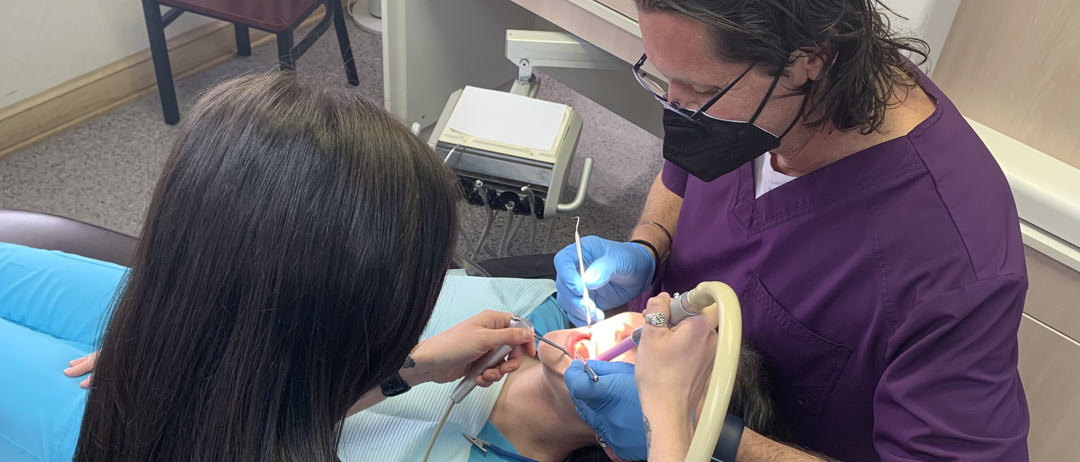
General Dentistry
Bonding
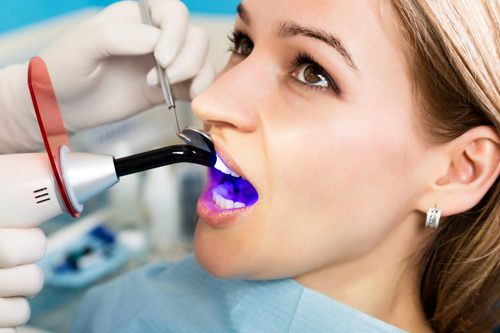
Tooth bonding is the application of a tooth-colored resin material using adhesives and a high intensity curing light. the procedure gets its name because materials are bonded to the tooth. Bonding is typically used for cosmetic purposes to improve the appearance of a discolored or chipped tooth.
Composite Restorations
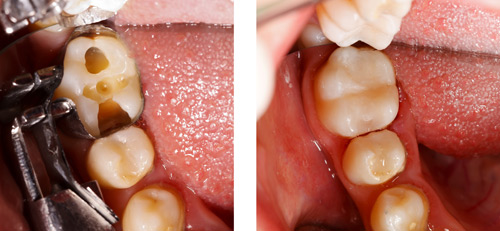
Natural-looking fillings are standard at Franklin Dental—they look great, and they’re strong and durable. These restorations look and feel just like your natural teeth. Proven and effective, non-metal restorations have a long list of benefits over traditional fillings:
- Good resistance to wear
- Conserve and strengthen tooth structure because the material bonds well to enamel
- Beautiful, natural appearance
- Easily maintained with brushing and flossing, and regular dental checkups.
Common dental treatments that utilize composite fillings include:
- Filling and building up tooth structure to restore function after removing decay (caries) on the teeth
- Fixing small cracks or chips in teeth caused by injury or wear
- Closing gaps between the teeth
Some insurance companies will not cover the cost of natural looking composite fillings, so we also offer traditional metal amalgam fillings.
Dental Sealants for Children
Brushing and flossing are the best ways to help prevent cavities, but it’s not always easy to clean every nook and cranny of your teeth – especially those back teeth you use to chew (called molars). Molars are rough, uneven and a favorite place for leftover food and cavity-causing bacteria to hide.
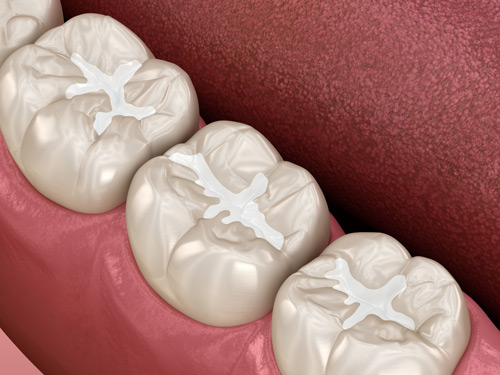
Still, there’s another safety net to help keep those teeth clean. It’s called a sealant, and it is a thin, protective coating (made from plastic or other dental materials) that adheres to the chewing surface of your back teeth. They’re no substitute for brushing and flossing, but they can keep cavities from forming and may even stop early stages of decay from becoming a full-blown cavity.
Sealants are only for children age 6-12 years of age.
Mild to Moderate Gum Disease Treatment
A recent CDC report provides the following data related to prevalence of periodontitis in the US: 47.2% of adults aged 30 years and older have some form of periodontal disease. Periodontal disease increases with age; 70.1% of adults 65 years and older have periodontal disease.
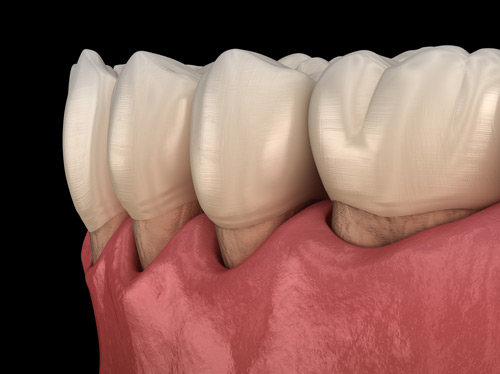
Gum disease is an infection of the tissues that surround and support your teeth. It is a major cause of tooth loss in adults. Because gum disease is usually painless, you may not know you have it. Also referred to as periodontal disease, gum disease is caused by plaque, the sticky film of bacteria that is constantly forming on our teeth. This sticky film, if left unattended, can develop into calculus (tartar) which is a harbor for bacteria. These bacteria live in the tartar and release toxins which cause bone loss and periodontal pocketing.
Here are some warning signs that can signal a problem:
- gums that bleed easily
- red, swollen, tender gums
- gums that have pulled away from the teeth
- persistent bad breath or bad taste
- permanent teeth that are loose or separating
- any change in the way your teeth fit together when you bite
- any change in the fit of partial dentures
Oral Cancer Screenings
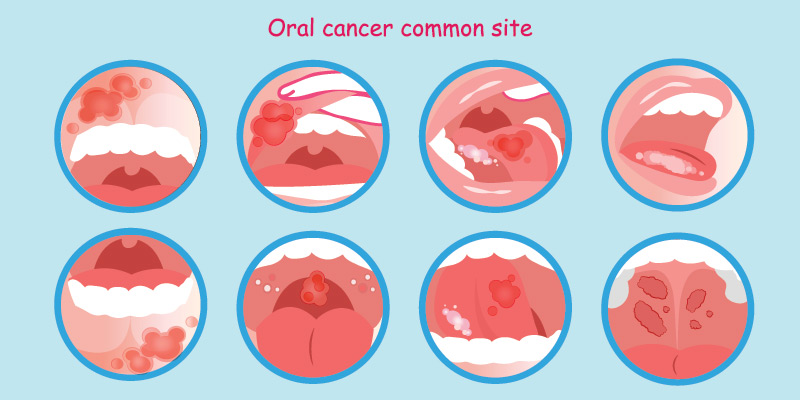
Oral cancer is divided into two categories – those occurring in the oral cavity (your lips, the inside of your lips and cheeks, teeth, gums, the front two-thirds of your tongue and the floor and roof of your mouth) and those occurring in the oropharynx (middle region of the throat, including the tonsils and base of the tongue).
High-Risk Factors for Oropharyngeal Cancer
- Chewing tobacco
- Heavy smoking (more than a pack a day)
- Chronic Inflammation
- Having a weakened immune system
- Poor oral hygiene
- Current marijuana use
- Having 16 or more lifetime vaginal or oral sex partners
- Men with two or more same-sex oral sex partners
Another cause of oral cancer is HPV (Human Papilloma Virus). Certain strains of HPV cause 70% of oropharyngeal cancers in the U.S., affecting about 11,600 people each year.One in nine American men have oral HPV, and cancers of the oropharynx are about four times more common in men than women.
Early detection may result in better treatment outcomes and may help keep you or someone you love from becoming one of the 10,030 people whose lives may be claimed this year by the disease. The 5-year survival rate of those diagnosed is approximately 60 percent.
Root Canal Therapy
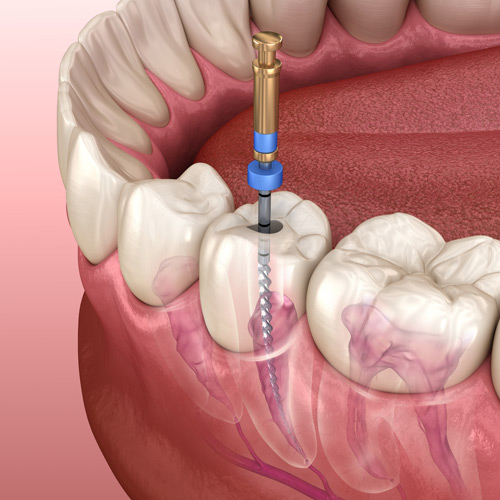
If you have a severely damaged, decaying tooth or a serious tooth infection (abscess), your dentist may recommend a root canal treatment. Root canals are used to repair and save your tooth instead of removing it.
What’s Involved in Root Canal Repair?
The pulp is soft tissue inside your tooth that contains nerves, blood vessels and provides nourishment for your tooth. It can become infected if you have:
- A deep cavity
- Repeated dental procedures that disturb this tissue
- A cracked or fractured tooth
- Injury to the tooth (even if there’s not a visible crack or chip)
If untreated, the tissues around the root of your tooth can become infected. When this happens, you will often feel pain and swelling and an abscess may form inside the tooth and/or in the bone around the end of the root of the tooth. An infection can also put you at risk of losing your tooth completely because bacteria can damage the bone that keeps your tooth connected to your jaw.
In most cases after having a root canal a crown is recommended to preserve the remaining tooth structure.
Tooth Extractions
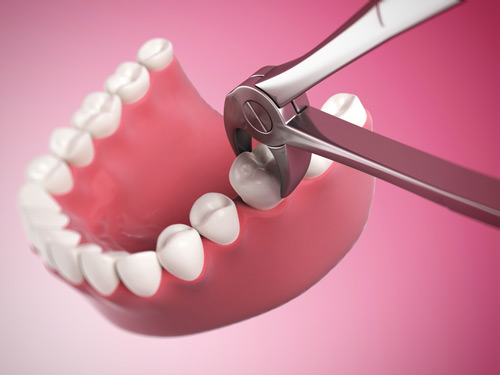
An extraction means to have a tooth removed, usually because of disease, trauma or crowding.
Whitening
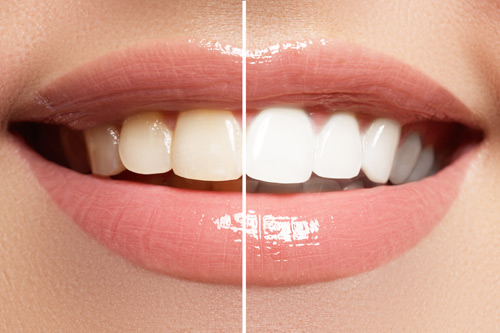
Teeth whitening is a simple process. Whitening products contain one of two tooth bleaches (hydrogen peroxide or carbamide peroxide). These bleaches break stains into smaller pieces, which makes the color less concentrated and your teeth brighter.
Some products can cause mild sensitivity; however, the sensitivity resolves with use of a sensitive toothpaste or with reducing the frequency of whitening.
Some information provided by the American Dental Association